Species Database
Wildlife of Britain & Beyond
Browse species profiles, conservation statuses, and seasonal information. Spot something not in the database? Submit a new species for review.
7 species in Reptiles
Submit a new species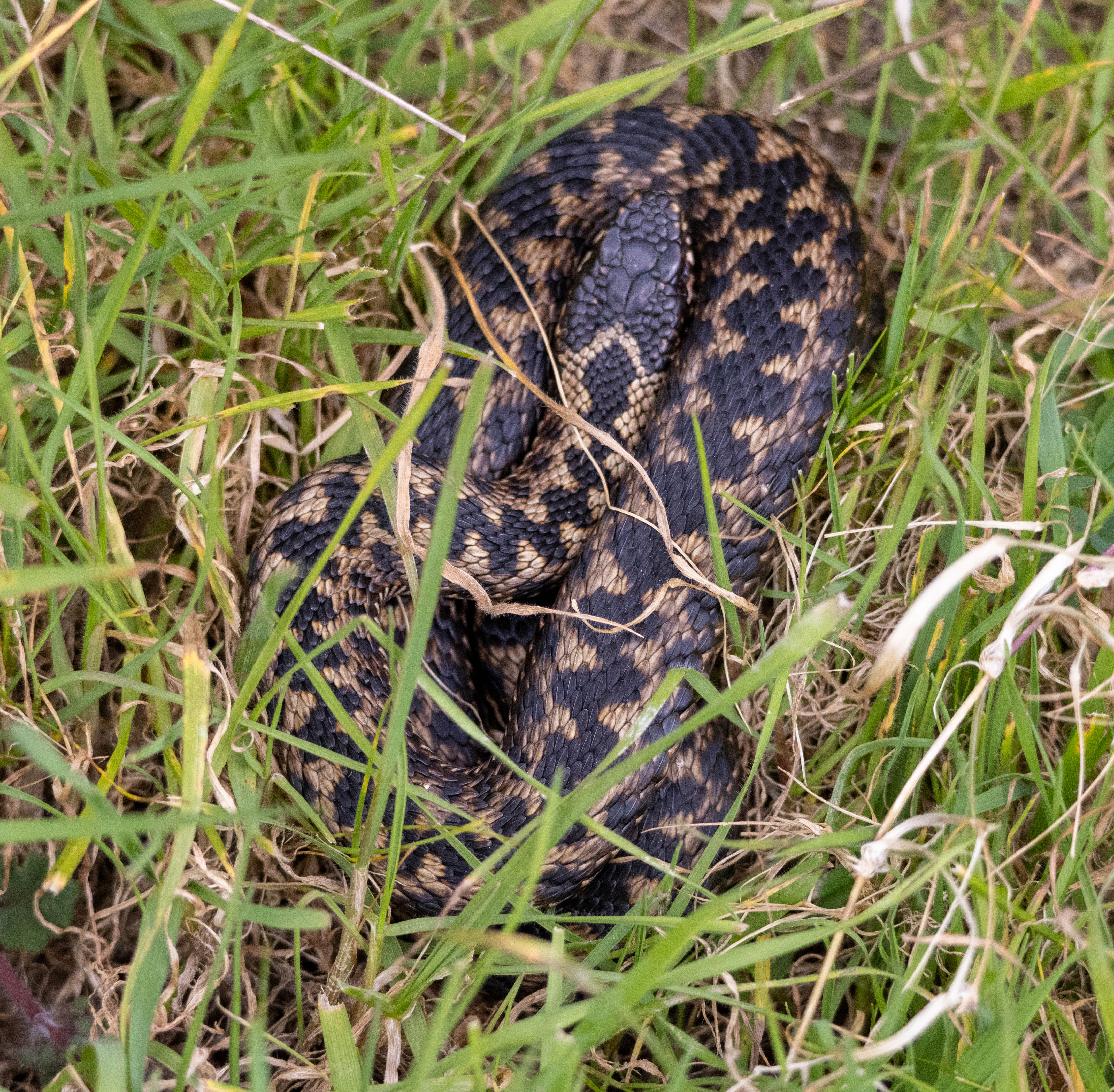
Adder
VUVipera berus
Britain's only venomous snake and one of the most northerly distributed snakes in the world. It is a protected species, declining significantly due to habitat loss and persecution. The zigzag dorsal pattern is distinctive.
Common Lizard
LCZootoca vivipara
Britain's most widespread reptile and the only one found in Ireland. Unusually for a lizard, it gives birth to live young rather than laying eggs — an adaptation to the cool British climate. It basks on sunny banks and path edges.
Grass Snake
LCNatrix helvetica
Britain's largest native reptile and the only egg-laying snake, often found near water where it hunts frogs and toads. Identified by its yellow and black collar and olive-green colouring. It can feign death when threatened.
Sand Lizard
VULacerta agilis
Britain's rarest lizard, restricted to dry sandy heathlands in Dorset, Surrey and some coastal dunes in Lancashire and Wales. Males turn brilliant green in the breeding season. Subject to significant reintroduction efforts.
Slow Worm
LCAnguis fragilis
Not a worm but a legless lizard, the slow worm is the UK's most common and widespread reptile. It can shed its tail to escape predators and may live for over 30 years. A familiar inhabitant of garden compost heaps.
Smooth Snake
VUCoronella austriaca
Britain's rarest snake, restricted to dry heathlands of Dorset, Hampshire and Surrey. A constrictor that feeds on lizards and slow worms, it is highly secretive and very rarely seen even in good habitat.
Wall Lizard
LCPodarcis muralis
Originally from southern Europe, the wall lizard has established thriving feral colonies across southern England, particularly on old walls and railway cuttings. Very fast and wary, it baskes conspicuously on warm masonry.