Species Database
Wildlife of Britain & Beyond
Browse species profiles, conservation statuses, and seasonal information. Spot something not in the database? Submit a new species for review.
251 species in Birds
Submit a new speciesArctic Skua
LCStercorarius parasiticus
The Arctic skua is a piratical seabird that chases terns and gulls to steal their food, breeding on northern Scottish moorland.
Arctic Tern
LCSterna paradisaea
The Arctic tern makes the longest migration of any animal, travelling up to 90,000 km from its UK breeding grounds to Antarctica each year.
Atlantic Puffin
VUFratercula arctica
The Atlantic puffin is a seabird with a brightly coloured bill, spending most of its life on the open ocean.
Avocet
LCRecurvirostra avosetta
The pied avocet, the RSPB's emblem, returned to breed in Britain in 1947 and now has a strong population in coastal wetlands.
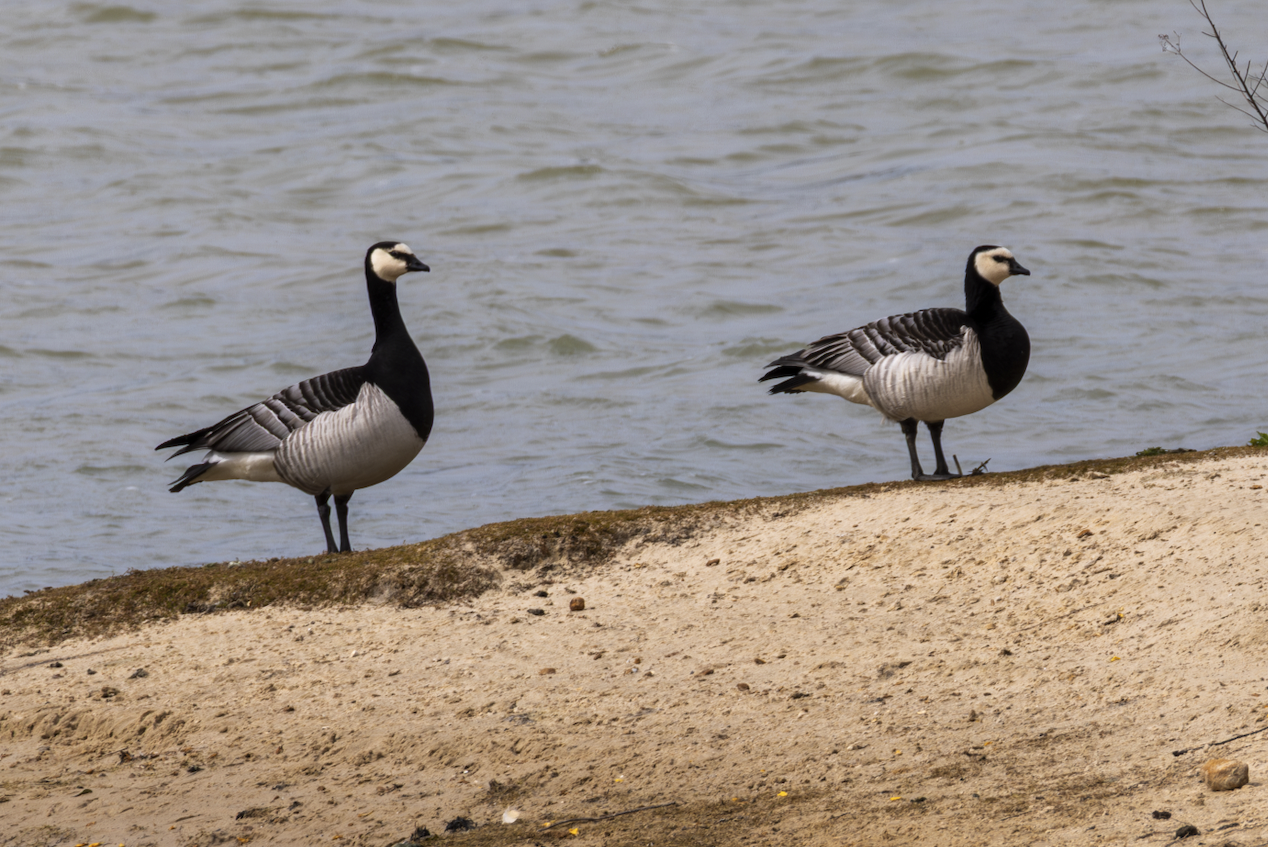
Barnacle Goose
LCBranta leucopsis
The barnacle goose winters in the UK in large flocks on western coasts, breeding on Arctic islands.
Barn Owl
LCTyto alba
The barn owl is one of the most widely distributed birds in the world, recognisable by its heart-shaped white face and silent flight.
Bar-tailed Godwit
NTLimosa lapponica
The bar-tailed godwit makes the longest non-stop migration of any bird, flying up to 13,000 km from Alaska. Large numbers winter on UK coasts.
Bean Goose
LCAnser fabalis
The bean goose is a scarce winter visitor from Scandinavia to a handful of traditional sites in England and Scotland.
Bearded Tit
LCPanurus biarmicus
The bearded tit (or bearded reedling) is a reedbed specialist with a ping call; it irrupts to new sites in autumn to form new colonies.
Bee-eater
LCMerops apiaster
The European bee-eater is an increasingly regular summer visitor to Britain, occasionally attempting to breed in sandpits in southern England.
Bewick's Swan
LCCygnus columbianus
The smallest swan to visit Britain, Bewick's swans migrate from Siberia to winter at traditional UK wetland sites.
Bittern
LCBotaurus stellaris
The Eurasian bittern is a secretive reedbed dweller, far more often heard than seen; its deep booming call carries up to five kilometres.
Blackbird
LCTurdus merula
The common blackbird is one of the most familiar birds in Britain, the male's mellow fluting song a quintessential sound of spring mornings.
Blackcap
LCSylvia atricapilla
The Eurasian blackcap is often called the 'northern nightingale' for its rich and varied song; many now overwinter in British gardens.
Black Grouse
LCLyrurus tetrix
The black grouse is a striking moorland bird; males gather at traditional display grounds called leks to compete for females in spring.
Black Guillemot
LCCepphus grylle
The black guillemot is a small auk of rocky shores in northern Scotland and Ireland, entirely black with white wing patches in summer.
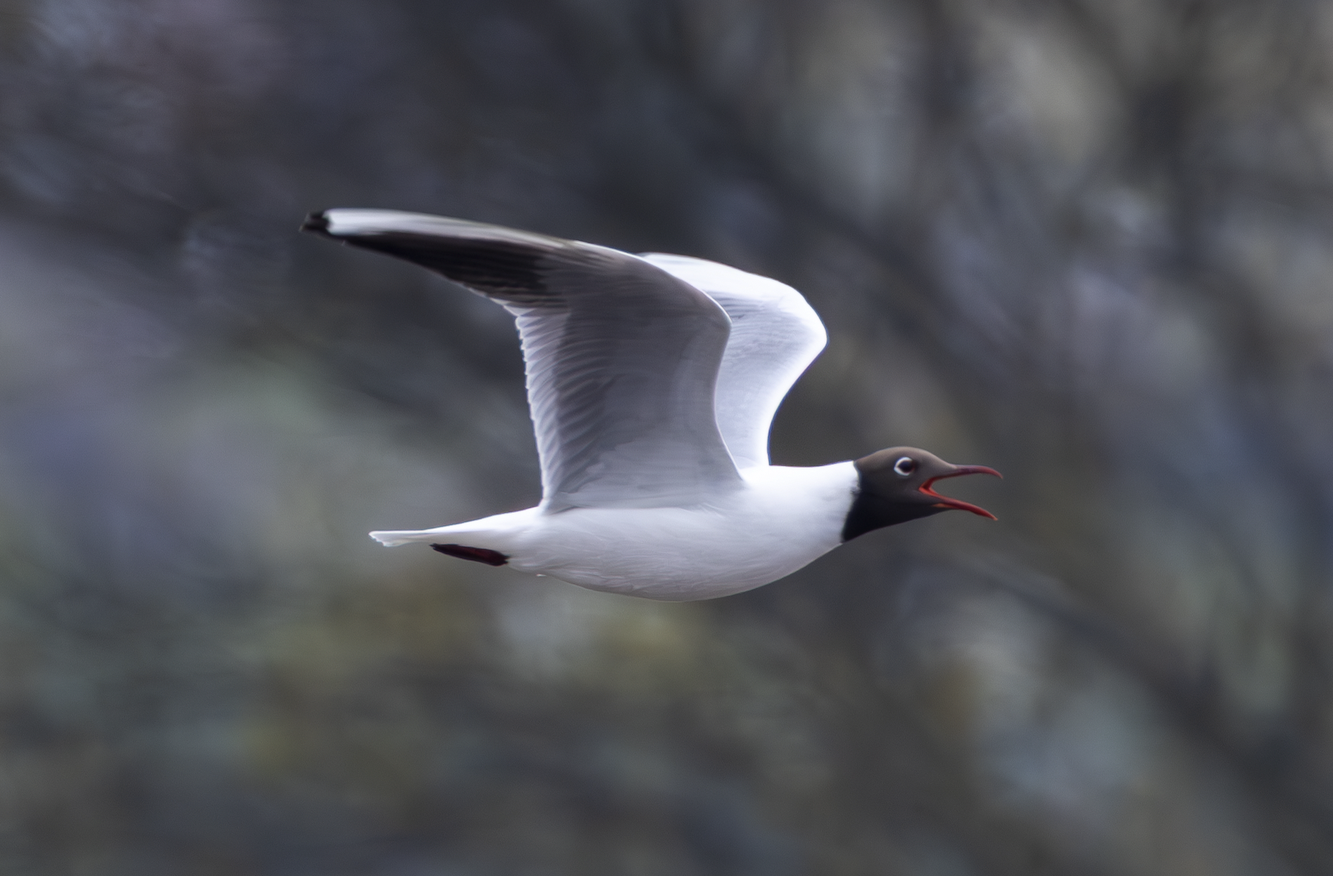
Black-headed Gull
LCChroicocephalus ridibundus
The black-headed gull is the UK's most familiar small gull, with a chocolate-brown (not black) hood in summer and found far inland.
Black-necked Grebe
LCPodiceps nigricollis
A rare breeder and winter visitor to UK waters, the black-necked grebe has upturned bill and golden fan-shaped ear tufts in summer.
Black Redstart
LCPhoenicurus ochruros
The black redstart is a very rare breeder in urban Britain and a scarce passage migrant, the male sooty grey with a red tail.
Black-tailed Godwit
NTLimosa limosa
The black-tailed godwit is a large wading bird; the Icelandic race winters on UK estuaries while the continental race breeds in small numbers.
Black Tern
LCChlidonias niger
The black tern is a regular spring and autumn passage migrant over UK inland waters, dipping low to pluck insects from the surface.
Black-throated Diver
LCGavia arctica
A scarce breeder in Scotland and winter visitor to UK coasts, with elegantly patterned plumage in summer.
Blue Tit
LCCyanistes caeruleus
The Eurasian blue tit is one of the most familiar garden birds in Britain, acrobatic at feeders and nesting in boxes.
Bonaparts Gull
Chroicocephalus philadelphia
Bonaparte’s Gulls are sleek, small gulls that breed in the boreal forest and winter farther south on ocean coasts, lakes, and rivers. Adults have black heads and red legs in the summer; in winter they have a neat gray smudge near the ear. They fly with ternlike agility, flashing bright white primaries that form a distinctive white wedge in the upperwing. Bonaparte’s Gulls capture flying insects and pluck tiny fish from the water with equal ease. They are unusual among gulls in their use of trees for nesting.
Brambling
LCFringilla montifringilla
The brambling is a winter visitor from Scandinavia, often joining chaffinch flocks in beech woodland, the male with a striking orange shoulder.
Brent Goose
LCBranta bernicla
The brent goose is a small, dark goose that winters in large flocks on UK estuaries, feeding on eelgrass and saltmarsh plants.
Bullfinch
LCPyrrhula pyrrhula
The Eurasian bullfinch is one of Britain's most striking birds, the male with an intense rose-red breast; it has declined in farmland areas.
Buzzard
LCButeo buteo
The common buzzard is now Britain's most numerous raptor, often seen soaring overhead or perched on roadside posts.
Canada Goose
LCBranta canadensis
The Canada goose is now the UK's most numerous goose, introduced from North America and resident across parks, lakes and rivers.
Capercaillie
LCTetrao urogallus
The capercaillie, Britain's largest grouse, inhabits ancient Caledonian pinewoods in Scotland and has a dramatic lekking display.
Carrion Crow
LCCorvus corone
The carrion crow is one of Britain's most widespread birds, highly intelligent and adaptable, usually seen alone or in pairs.
Cetti's Warbler
LCCettia cetti
Cetti's warbler colonised Britain in the 1970s and is a resident in reedbeds, exploding into a surprisingly loud burst of song before disappearing.
Chaffinch
LCFringilla coelebs
The chaffinch is one of Britain's most abundant birds; the male's bright plumage and rattling song are familiar in almost every wood and garden.
Chiffchaff
LCPhylloscopus collybita
The common chiffchaff is one of the first summer migrants to arrive in Britain, its onomatopoeic chiff-chaff song a welcome sign of spring.
Chough
LCPyrrhocorax pyrrhocorax
The red-billed chough is a cliff-nesting crow of western coasts in Wales, Scotland and Ireland, with acrobatic flight and a ringing call.
Cirl Bunting
LCEmberiza cirlus
The cirl bunting is restricted to the south Devon coast in the UK, where targeted conservation has helped it recover from near-extinction.
Coal Tit
LCPeriparus ater
The coal tit is the smallest UK tit, preferring conifer trees; it habitually caches food seeds for retrieval in winter.
Collared Dove
LCStreptopelia decaocto
The Eurasian collared dove colonised Britain from the 1950s in one of the fastest natural range expansions ever recorded, now a familiar garden bird.
Common Crane
LCGrus grus
The common crane became extinct in Britain in the 16th century but naturally recolonised Norfolk in the 1980s and is now slowly spreading.
Common Guillemot
LCUria aalge
The common guillemot breeds in huge, noisy colonies on UK cliff ledges, incubating a single pear-shaped egg on a bare rock.
Common Gull
LCLarus canus
Despite its name, the common gull is less numerous than herring or black-headed gulls; it breeds in Scotland and winters across the UK.
Common Redpoll
LCAcanthis flammea
The common or mealy redpoll is a winter visitor from Scandinavia, slightly larger and paler than the resident lesser redpoll.
Common Sandpiper
LCActitis hypoleucos
The common sandpiper bobs incessantly on riverside rocks and boulders, breeding along UK upland rivers and wintering in small numbers.
Common Scoter
NTMelanitta nigra
The common scoter is a seaduck that winters in large flocks off UK coasts and breeds on a few Scottish and Irish moorland lochs.
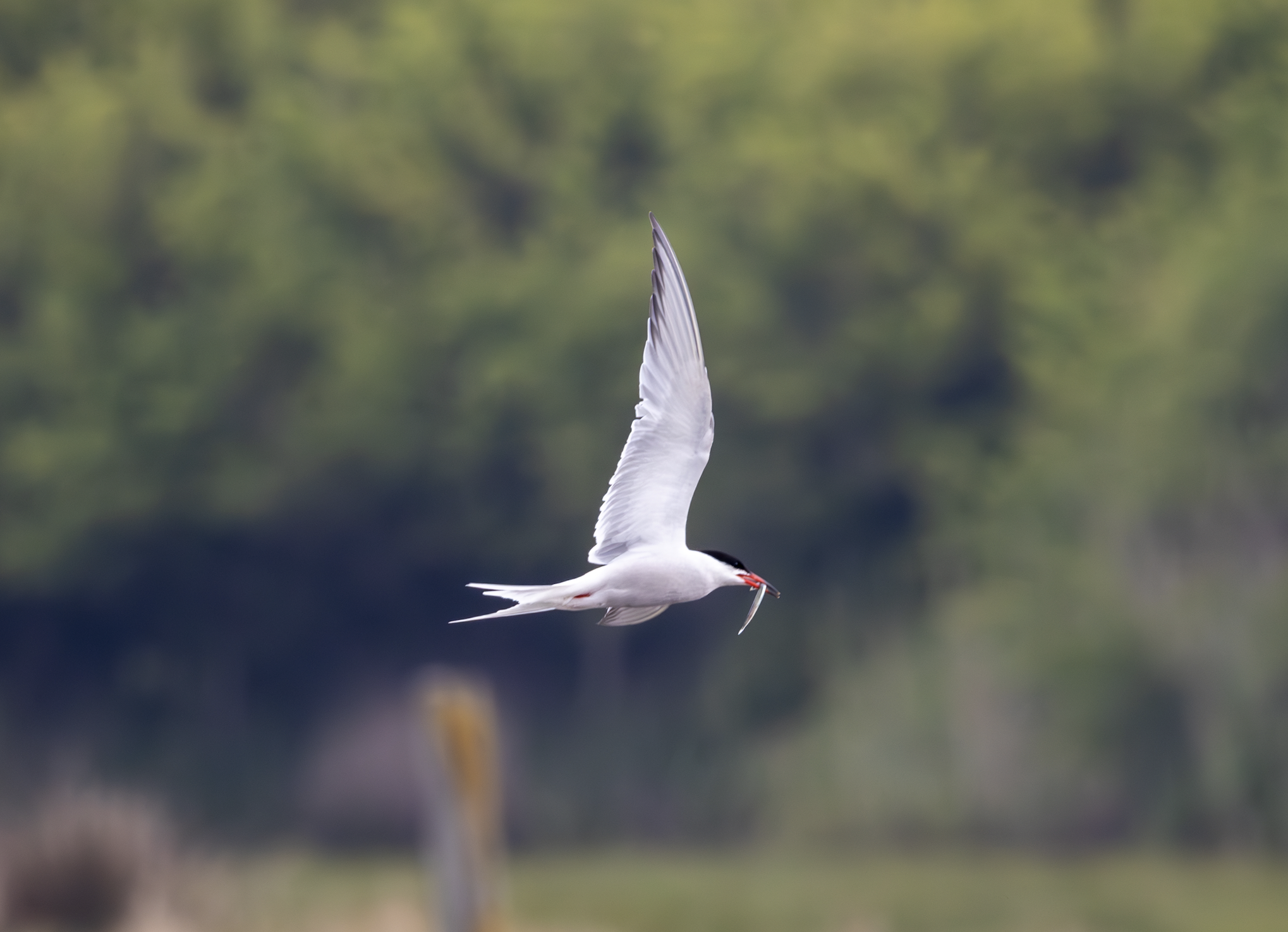
Common Tern
LCSterna hirundo
The common tern is the most widespread tern in Britain, breeding on coasts and inland waters, with a forked tail and fierce dive.
Coot
LCFulica atra
The Eurasian coot is an aggressive, sooty-black waterbird with a distinctive white bill and frontal shield, common on lakes and reservoirs.
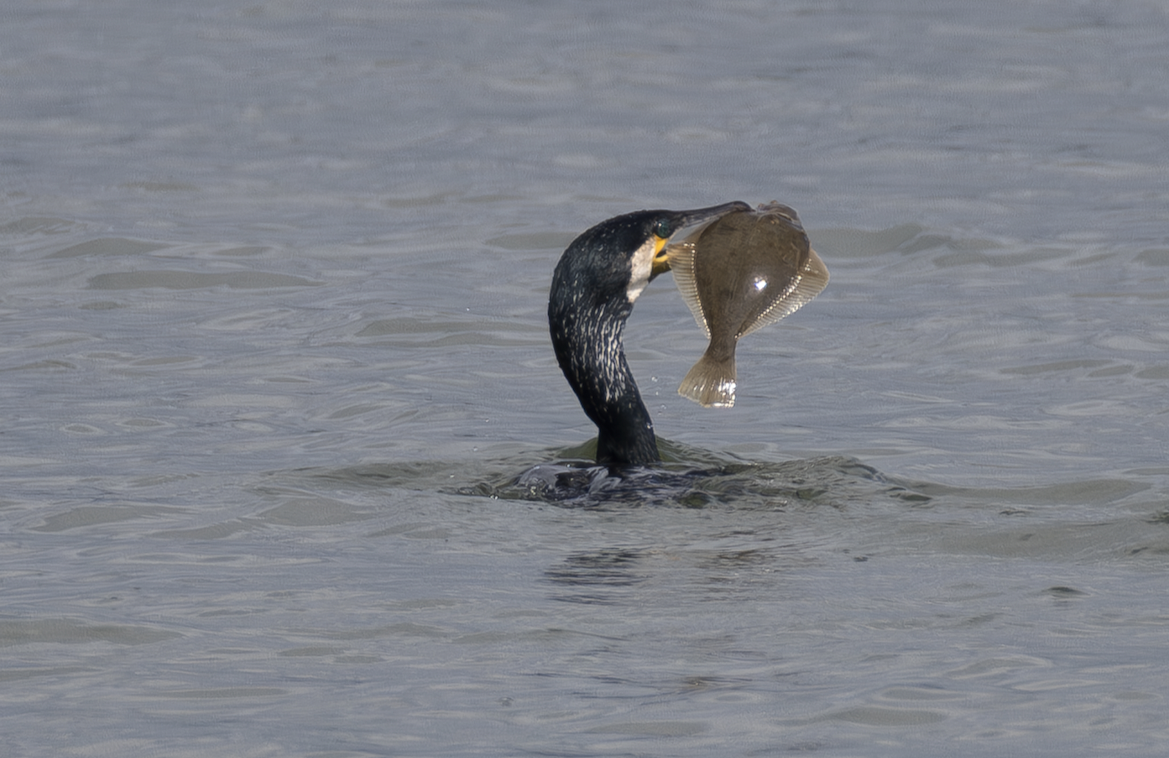
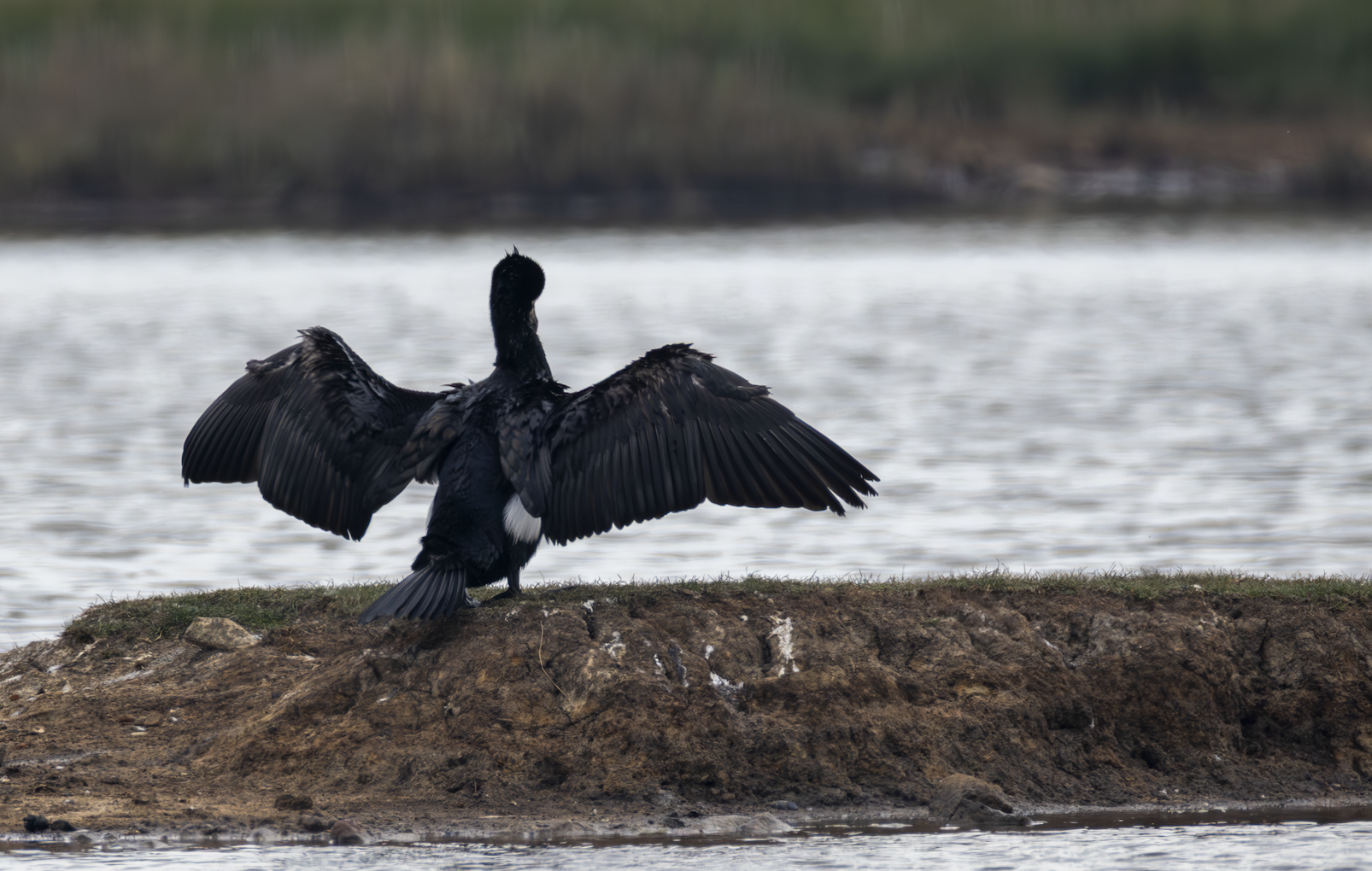
Cormorant
LCPhalacrocorax carbo
The great cormorant is a large, dark waterbird commonly seen drying its wings on posts and rocks at inland and coastal waters.
Corn Bunting
LCEmberiza calandra
The corn bunting is a large, streaky farmland bunting, singing its jangling song from a fence post or telegraph wire on arable land.
Corncrake
LCCrex crex
The corncrake is a rare and secretive summer visitor to traditional hay meadows in Scotland and Ireland, with a rasping crex-crex call.
Crested Tit
LCLophophanes cristatus
The crested tit is restricted to the ancient Caledonian pinewoods of the Scottish Highlands in the UK, easily identified by its pointed crest.
Crossbill
LCLoxia curvirostra
The common crossbill has uniquely crossed bill tips for extracting seeds from conifer cones; flocks irrupt into Britain when cone crops fail in Europe.
Cuckoo
LCCuculus canorus
The common cuckoo's call is one of the most celebrated sounds of spring, yet this migratory brood parasite is declining rapidly in the UK.
Curlew
NTNumenius arquata
The Eurasian curlew is the UK's largest wading bird, known for its haunting call and distinctive down-curved bill.
Dartford Warbler
LCCurruca undata
The Dartford warbler is a resident heathland specialist, one of the few warblers to overwinter in Britain, vulnerable to cold winters.
Dipper
LCCinclus cinclus
The white-throated dipper is the UK's only truly aquatic songbird, swimming and walking along the beds of fast upland streams.
Dotterel
LCCharadrius morinellus
The dotterel breeds on Scottish mountaintops and is a rare passage visitor; unusually, females are brighter and compete for males.
Dunlin
LCCalidris alpina
The dunlin is the most abundant wader on UK estuaries in winter, forming dense, aerobatic flocks that wheel and turn in unison.
Dunnock
LCPrunella modularis
The dunnock or hedge sparrow is a familiar but often overlooked garden bird with a remarkably complex mating system.
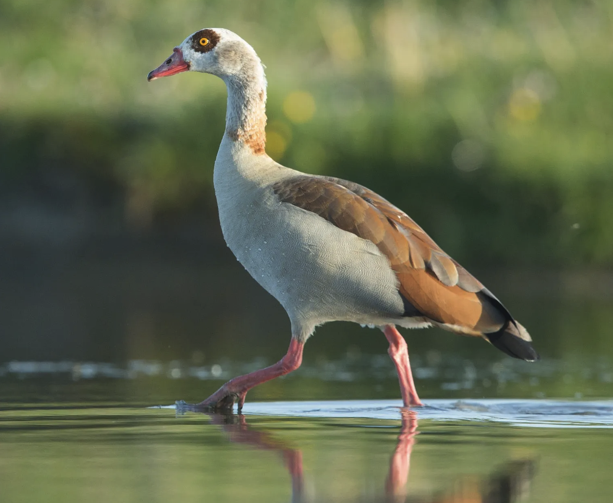
Egyptian Goose
LCAlopochen aegyptiaca
Originally from Africa and introduced to Britain, the Egyptian goose is now an established feral breeder across England.
Eider
VUSomateria mollissima
The common eider is the UK's largest sea duck and heaviest duck, a coastal bird of northern Britain famed for its soft down feathers.
Feral Pigeon
LCColumba livia
The rock dove, ancestor of all feral pigeons, exists in pure form only on remote Scottish cliffs; feral populations are ubiquitous in cities.
Fieldfare
LCTurdus pilaris
The fieldfare is a large, handsome winter visitor from Scandinavia and Russia, arriving in October in large flocks to strip berries.
Firecrest
LCRegulus ignicapilla
The firecrest is slightly larger than the goldcrest with a bold face pattern; it is a scarce breeder and common passage migrant to Britain.
Fulmar
LCFulmarus glacialis
The fulmar is a stocky seabird of cliff-ledge colonies around the entire UK coast, gliding effortlessly on stiff wings.
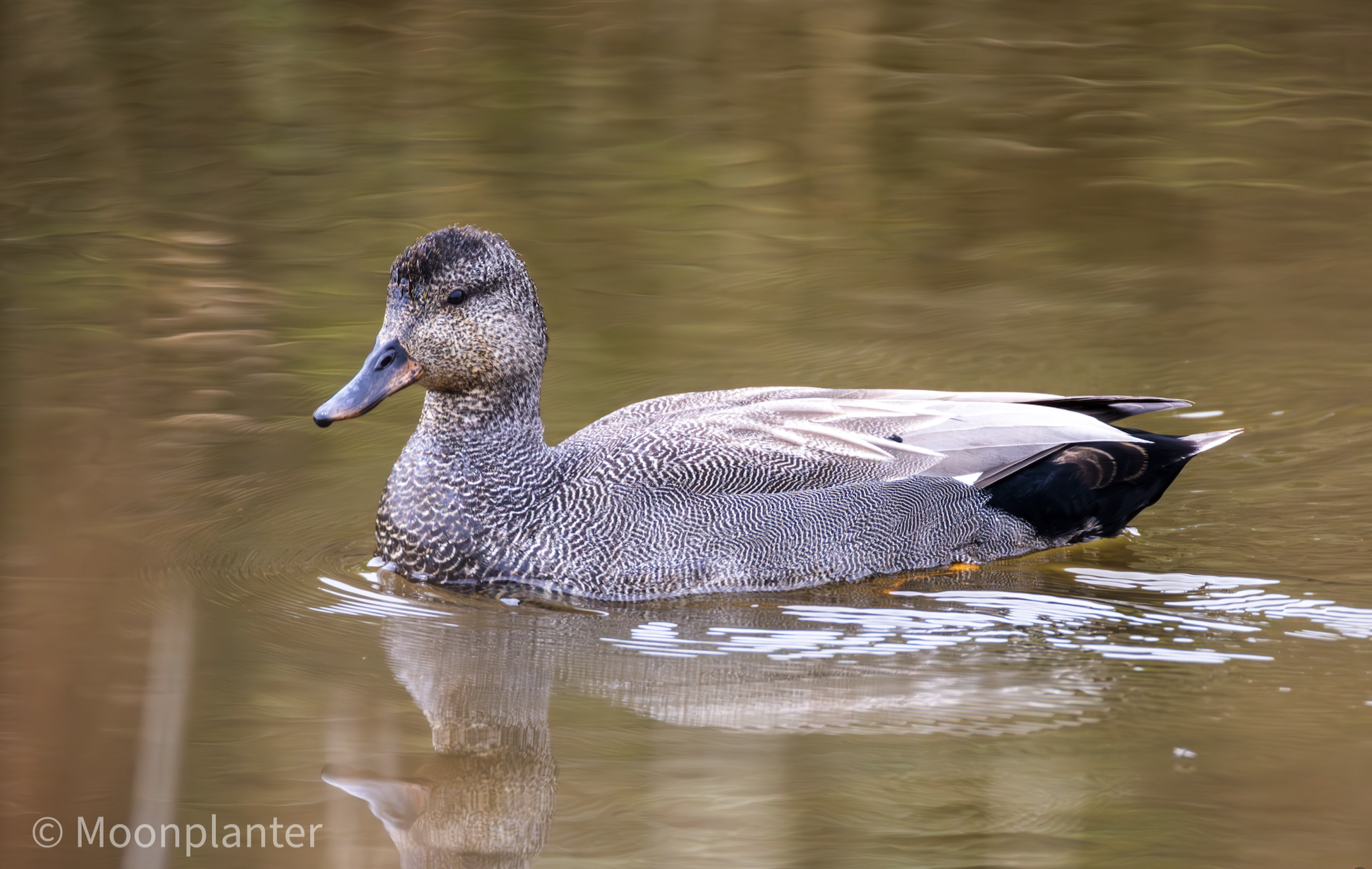
Gadwall
LCMareca strepera
The gadwall is a subtly beautiful dabbling duck, now an increasing breeder and winter visitor across UK lowland wetlands.
Gannet
LCMorus bassanus
The northern gannet is the UK's largest seabird, plunging from 30 metres to catch fish and nesting in spectacular cliff-top colonies.
Garden Warbler
LCSylvia borin
The garden warbler is a summer visitor with a sustained, mellow song similar to the blackcap's, but with no distinguishing plumage features.
Garganey
LCSpatula querquedula
The garganey is Britain's only duck that is a summer visitor, arriving from Africa in spring to breed at a handful of wetland sites.
Glaucous Gull
LCLarus hyperboreus
The glaucous gull is a large, pale winter visitor from the Arctic to UK harbours and fishing ports, larger than the Iceland gull.
Goldcrest
LCRegulus regulus
The goldcrest is Britain's smallest bird, a tiny jewel of conifer woodland with a needle-thin call at the edge of human hearing.
Golden Eagle
LCAquila chrysaetos
The golden eagle is Scotland's most iconic bird of prey, soaring over mountain ranges on wings spanning up to 2.2 metres.
Goldeneye
LCBucephala clangula
The common goldeneye is a compact diving duck, a winter visitor to UK reservoirs and coasts that breeds in a small Scottish population.
Golden Plover
LCPluvialis apricaria
The European golden plover breeds on upland moors and moves to lowland fields in winter; flocks in flight are a spectacular sight.
Goldfinch
LCCarduelis carduelis
The European goldfinch is a delightful finch of weedy fields and gardens; flocks (called charms) feed on teasel and thistle heads.
Goosander
LCMergus merganser
The goosander is Britain's largest sawbill duck, a fish-eater with serrated bill that breeds on upland rivers and winters at reservoirs.
Goshawk
LCAccipiter gentilis
The northern goshawk is a large, powerful forest hawk that was persecuted to extinction in Britain and has naturally recolonised.
Grasshopper Warbler
LCLocustella naevia
The common grasshopper warbler produces a remarkable continuous reeling song like a fishing reel, projected from dense low vegetation.
Great Black-backed Gull
LCLarus marinus
The great black-backed gull is the world's largest gull, a powerful predator of other seabirds and mammals on UK coasts.
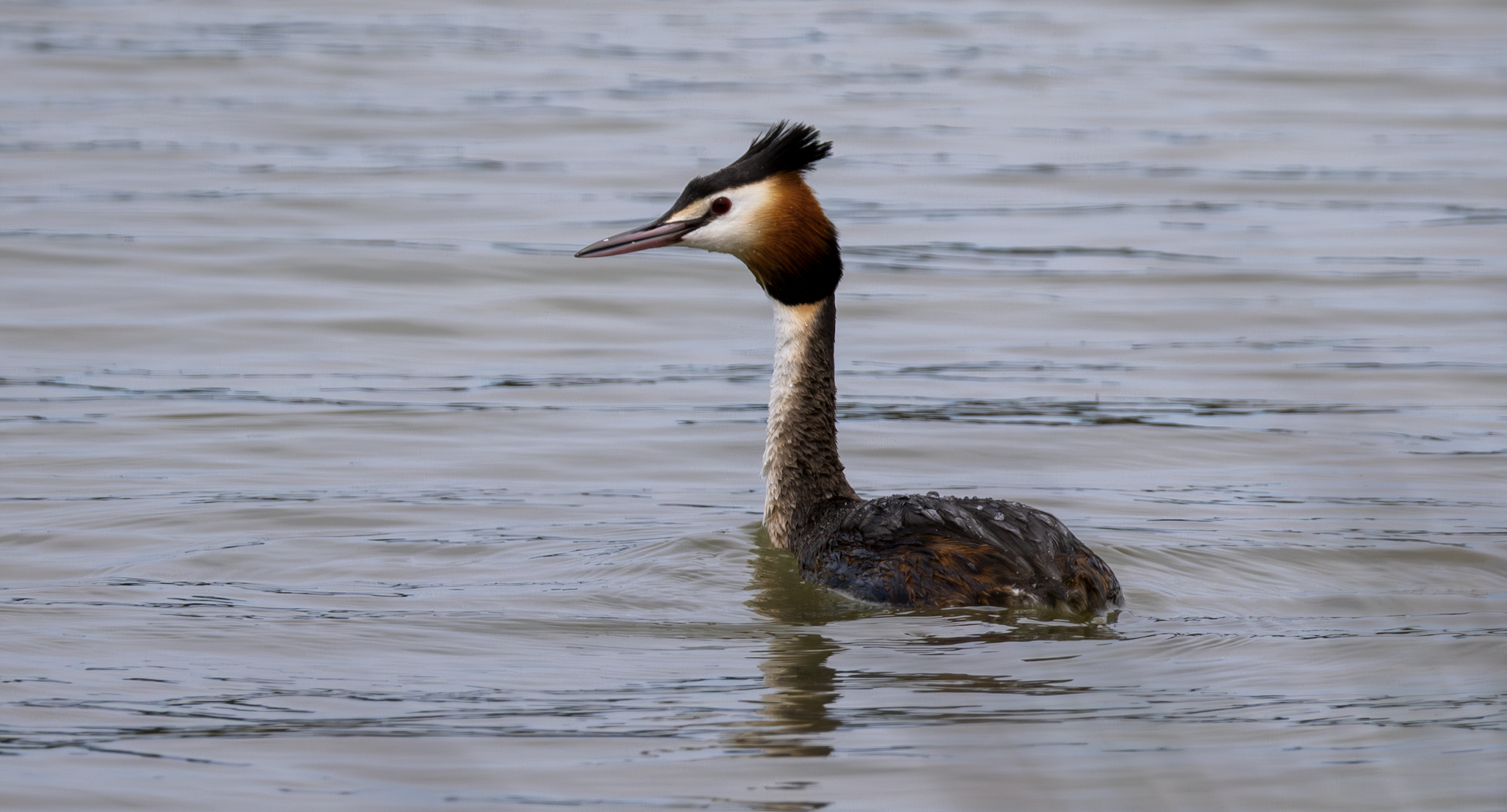
Great Crested Grebe
LCPodiceps cristatus
The great crested grebe is famous for its elaborate courtship display in which pairs mirror each other's movements and present waterweed.
Great Grey Shrike
LCLanius excubitor
The great grey shrike is a scarce winter visitor from Scandinavia, perching prominently on exposed branches to watch for prey.
Great Northern Diver
LCGavia immer
The great northern diver is a winter visitor from Iceland and Greenland, seen around UK coasts and on large inland waters.
Great Skua
LCCatharacta skua
The great skua or 'bonxie' is a powerful, aggressive seabird breeding in Shetland and Orkney, able to subdue seabirds as large as gannets.
Great Spotted Woodpecker
LCDendrocopos major
The great spotted woodpecker is the most familiar woodpecker in Britain, drumming loudly on trees and increasingly visiting garden feeders.
Great Tit
LCParus major
The great tit is the largest UK tit, a bold visitor to garden feeders with a repertoire of over 40 different calls.
Great White Egret
LCArdea alba
A recent and rapidly expanding breeder in the UK, the great white egret is now regularly seen at wetlands across England.
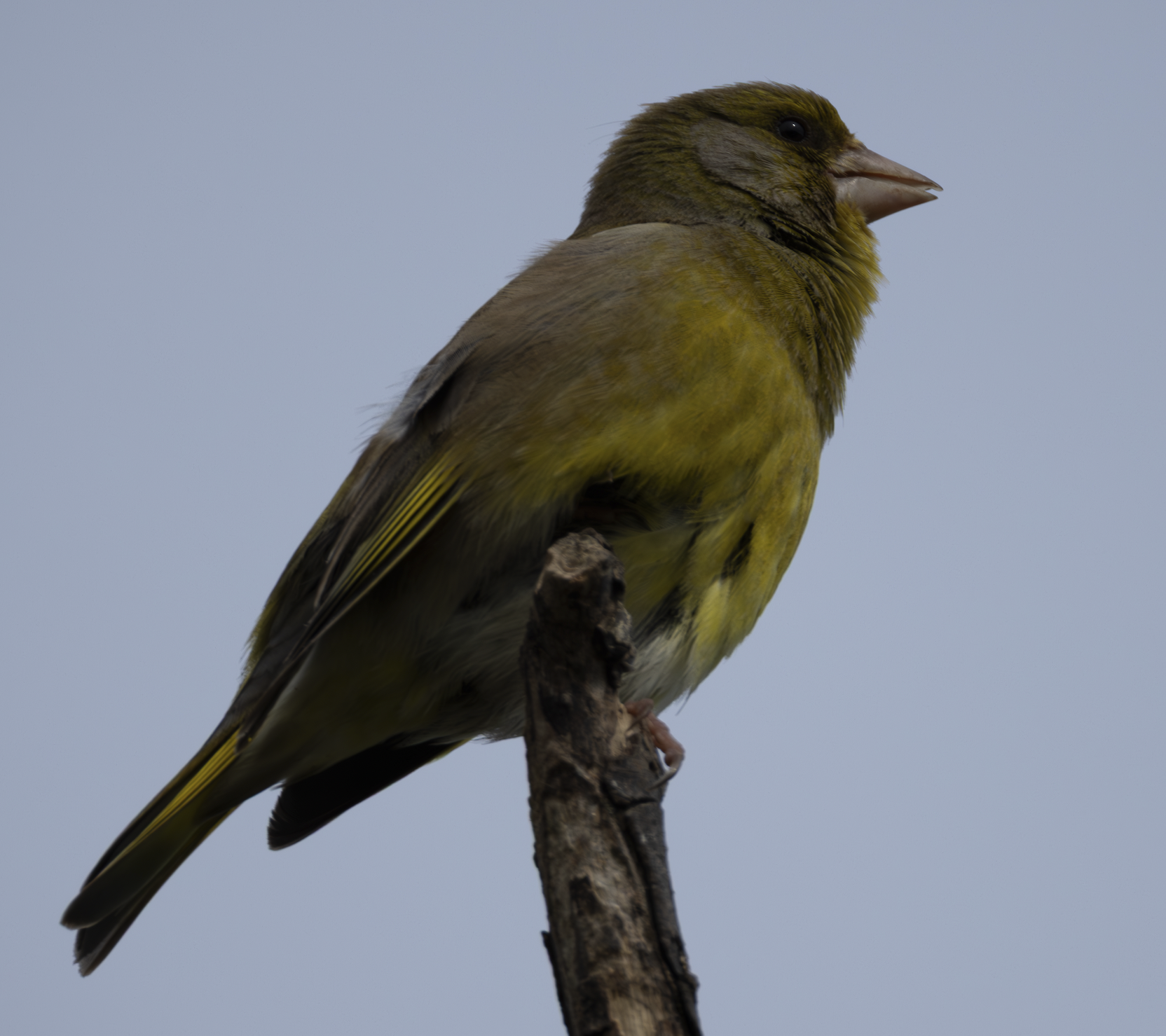
Greenfinch
LCChloris chloris
The European greenfinch is a chunky finch of gardens and woodland edges, declining due to trichomonosis disease.
Green Sandpiper
LCTringa ochropus
The green sandpiper is a solitary wader of ditches and stream margins, often seen in small numbers at UK wetlands year-round.
Greenshank
LCTringa nebularia
The common greenshank breeds on Scottish moorland and is a regular passage migrant and winter visitor at UK wetlands.
Green Woodpecker
LCPicus viridis
The green woodpecker is the largest UK woodpecker, more often heard — its laughing yaffle call — than seen as it feeds on ants on lawns.
Grey Heron
LCArdea cinerea
The grey heron is the UK's tallest bird, a patient hunter of fish and frogs standing motionless beside water.
Greylag Goose
LCAnser anser
The greylag goose is the ancestor of most domestic geese and has a feral/resident population across the UK alongside migratory birds from Iceland.
Grey Partridge
NTPerdix perdix
The grey partridge has declined dramatically in Britain due to agricultural intensification and is now a conservation priority.
Grey Plover
LCPluvialis squatarola
The grey plover is a wader of UK estuaries in winter, standing more upright and alone than golden plovers.
Grey Wagtail
LCMotacilla cinerea
Despite its name, the grey wagtail has bright yellow underparts; it is always found near fast-flowing water in upland and lowland Britain.
Hawfinch
LCCoccothraustes coccothraustes
The hawfinch is Britain's largest finch, with a massive bill capable of cracking olive and cherry stones; it is secretive and declining.
Hen Harrier
LCCircus cyaneus
The hen harrier is a ground-nesting moorland raptor, the grey male and brown female ringtail strikingly different in plumage.
Herring Gull
LCLarus argentatus
The European herring gull is the quintessential seaside bird, declining in the UK but still familiar with its mewing call and pink legs.
Hobby
LCFalco subbuteo
The Eurasian hobby is an elegant summer visitor to Britain, catching dragonflies and small birds on the wing with great agility.
Hooded Crow
LCCorvus cornix
The hooded crow replaces the carrion crow in Scotland and Ireland; the two hybridise where their ranges meet.
Hoopoe
LCUpupa epops
The hoopoe is a stunning exotic-looking bird that appears as a scarce spring visitor to Britain, occasionally breeding in southern counties.
House Martin
LCDelichon urbicum
The common house martin is a summer visitor that builds its distinctive mud cup nest under the eaves of houses across Britain.
House Sparrow
LCPasser domesticus
The house sparrow has declined dramatically in UK towns and cities since the 1970s, yet remains one of the most familiar garden birds.
Iceland Gull
LCLarus glaucoides
The Iceland gull is a pale winter visitor from Greenland and Iceland, often found at harbours and fishing ports in northern Britain.
Jackdaw
LCColoeus monedula
The western jackdaw is the smallest member of the crow family in Britain, nesting in chimneys and church towers.
Jay
LCGarrulus glandarius
The Eurasian jay is the most colourful member of the crow family in Britain, hiding thousands of acorns each autumn for winter food.
Kestrel
LCFalco tinnunculus
The common kestrel is the most familiar falcon in Britain, hovering over motorway verges and rough grassland hunting for small mammals.
Kingfisher
LCAlcedo atthis
The common kingfisher is one of the most colourful of all British birds, often seen as a flash of blue along rivers.
Kittiwake
VURissa tridactyla
The black-legged kittiwake is a true oceanic gull that only comes to cliff ledge colonies to breed, with a distinctive kitti-waak call.
Knot
NTCalidris canutus
The red knot gathers in vast, spectacular flocks on UK estuaries in winter, sometimes numbering hundreds of thousands of birds.
Lapland Bunting
LCCalcarius lapponicus
The Lapland bunting is a scarce autumn and winter visitor to UK coastal fields and beaches from its Arctic breeding grounds.
Lapwing
NTVanellus vanellus
The northern lapwing is a distinctive wading bird with iridescent green-black plumage and a wispy crest.
Leach's Petrel
VUOceanodroma leucorhoa
Leach's petrel breeds in large colonies on remote Scottish islands, coming ashore only at night to avoid predation.
Lesser Black-backed Gull
LCLarus fuscus
The lesser black-backed gull breeds in large colonies on UK moorland and coasts, with many wintering in Africa.
Lesser Redpoll
LCAcanthis cabaret
The lesser redpoll is a small finch of birch and alder woodland, with a red forehead and often seen hanging acrobatically from catkins.
Lesser Spotted Woodpecker
LCDryobates minor
The lesser spotted woodpecker is Britain's smallest woodpecker, sparrow-sized and secretive, and has declined dramatically in recent decades.
Lesser Whitethroat
LCCurruca curruca
The lesser whitethroat is a summer visitor to tall hedgerows and scrub, with a distinctive rattling song.
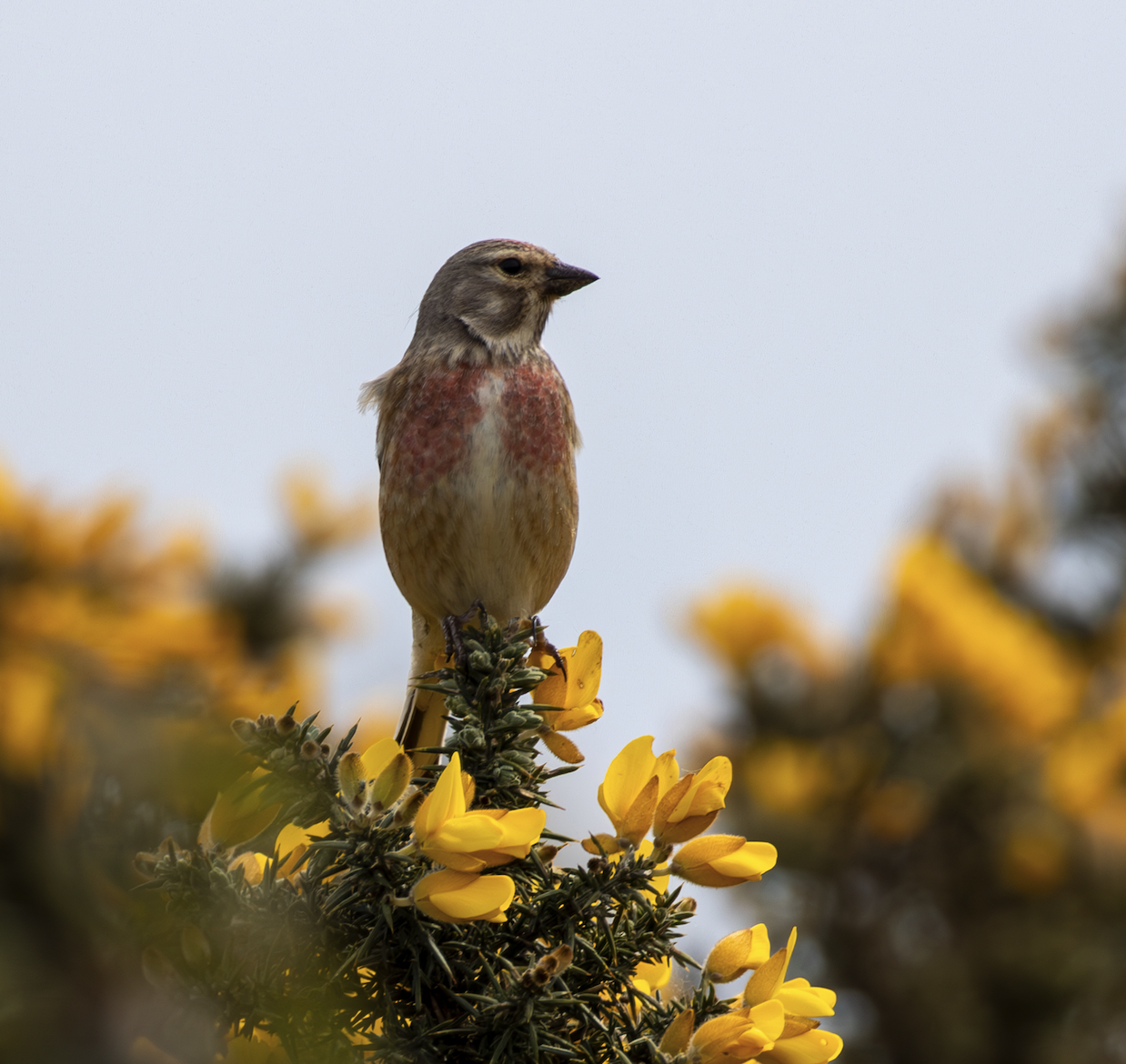
Linnet
LCLinaria cannabina
The common linnet breeds on heathland, farmland and coastal scrub, with the male's rosy red breast and forehead in summer.
Little Auk
LCAlle alle
The little auk is the world's most numerous seabird, wintering in large numbers offshore in the North Sea; storm-driven birds occasionally appear inland.
Little Egret
LCEgretta garzetta
The little egret colonised Britain in the 1990s and is now a common sight at estuaries and wetlands, dazzlingly white with black and yellow feet.
Little Grebe
LCTachybaptus ruficollis
Britain's smallest grebe, the little grebe or dabchick is a compact diving bird of ponds, lakes and slow rivers, known for its trilling call.
Little Gull
LCHydrocoloeus minutus
The little gull is the world's smallest gull, a passage migrant and winter visitor off UK coasts, with smoky-black underwings.
Little Owl
LCAthene noctua
The little owl was introduced to Britain from mainland Europe in the 19th century and is now widespread, often seen perching in daytime.
Little Ringed Plover
LCCharadrius dubius
The little ringed plover is a summer visitor to UK gravel pits and riverbanks, smaller than its cousin with a yellow eye-ring.
Little Stint
LCCalidris minuta
The little stint is a tiny wader that passes through the UK in autumn, often at coastal mudflats and inland reservoirs.
Little Tern
LCSternula albifrons
The little tern is Britain's smallest tern and one of its rarest coastal breeding birds, nesting on shingle beaches exposed to disturbance.
Long-eared Owl
LCAsio otus
The long-eared owl is a secretive owl of woodland and conifer plantations, roosting communally in winter.
Long-tailed Duck
VUClangula hyemalis
The long-tailed duck is an attractive seaduck that winters off northern UK coasts, the male with his long pointed tail feathers.
Long-tailed Skua
LCStercorarius longicaudus
The long-tailed skua is a scarce offshore passage migrant with elegant elongated tail streamers, the smallest and most buoyant of the skuas.
Long-tailed Tit
LCAegithalos caudatus
The long-tailed tit is a charming, fluffy woodland bird that roosts in tight communal huddles in winter for warmth.
Magpie
LCPica pica
The Eurasian magpie is one of the most intelligent birds, recognising itself in mirrors; its clattering call is a familiar countryside sound.
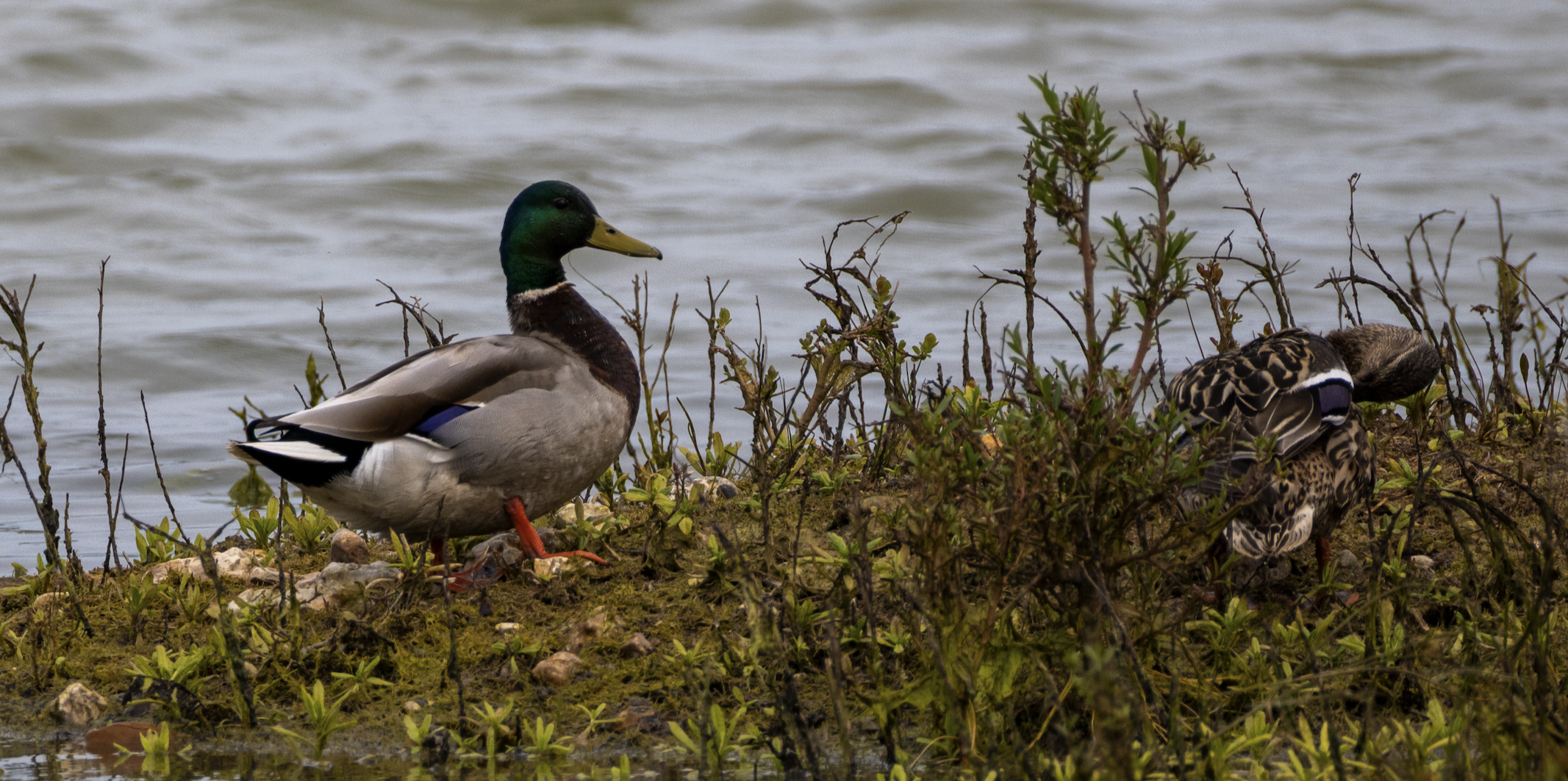
Mallard
LCAnas platyrhynchos
The mallard is the most familiar and widespread duck in Britain, ancestor of almost all domestic ducks.
Mandarin Duck
LCAix galericulata
The strikingly ornate mandarin duck, introduced from East Asia, has established a thriving feral population in British woodland streams.
Manx Shearwater
LCPuffinus puffinus
The Manx shearwater nests in huge colonies on offshore islands and makes one of the longest migrations of any bird.
Marsh Harrier
LCCircus aeruginosus
The marsh harrier is Britain's largest harrier, quartering reedbeds with wings raised in a distinctive V-shape.
Marsh Tit
LCPoecile palustris
The marsh tit is a woodland bird of southern Britain, despite its name more common in deciduous woods than true marsh. It is declining rapidly.
Marsh Warbler
LCAcrocephalus palustris
The marsh warbler is a rare summer visitor to damp vegetation in southern England, famed for its extraordinary mimicry of other birds.
Meadow Pipit
LCAnthus pratensis
The meadow pipit is one of the most abundant birds on British upland moors and grasslands, and the cuckoo's most frequent host.
Mediterranean Gull
LCIchthyaetus melanocephalus
The Mediterranean gull has colonised Britain as a breeder since the 1960s; it has a jet-black hood and pure white wing-tips in summer.
Merlin
LCFalco columbarius
Britain's smallest falcon, the merlin breeds on upland moorland and winters on coastal marshes, hunting small birds in low, fast flight.
Mistle Thrush
LCTurdus viscivorus
The mistle thrush is the largest UK thrush, singing boldly from treetops in stormy weather, earning the name 'stormcock'.
Montagu's Harrier
LCCircus pygargus
Montagu's harrier is Britain's rarest regular breeding raptor, a summer visitor to arable fields in southern England.
Moorhen
LCGallinula chloropus
The common moorhen is one of the most familiar waterbirds in Britain, bobbing along the edges of any pond or river with its red and yellow bill.
Mute Swan
LCCygnus olor
The mute swan is one of the largest British birds and is the most familiar swan, a resident breeder on lakes, rivers and coasts.
Night Heron
LCNycticorax nycticorax
A rare visitor to the UK, the black-crowned night heron roosts by day in waterside trees and hunts at dusk.
Nightingale
NTLuscinia megarhynchos
The nightingale is famous for its powerful song, heard both day and night. A summer visitor to the UK.
Nightjar
LCCaprimulgus europaeus
The European nightjar is a nocturnal summer visitor to UK heathlands, its mechanical churring song carrying far on summer evenings.
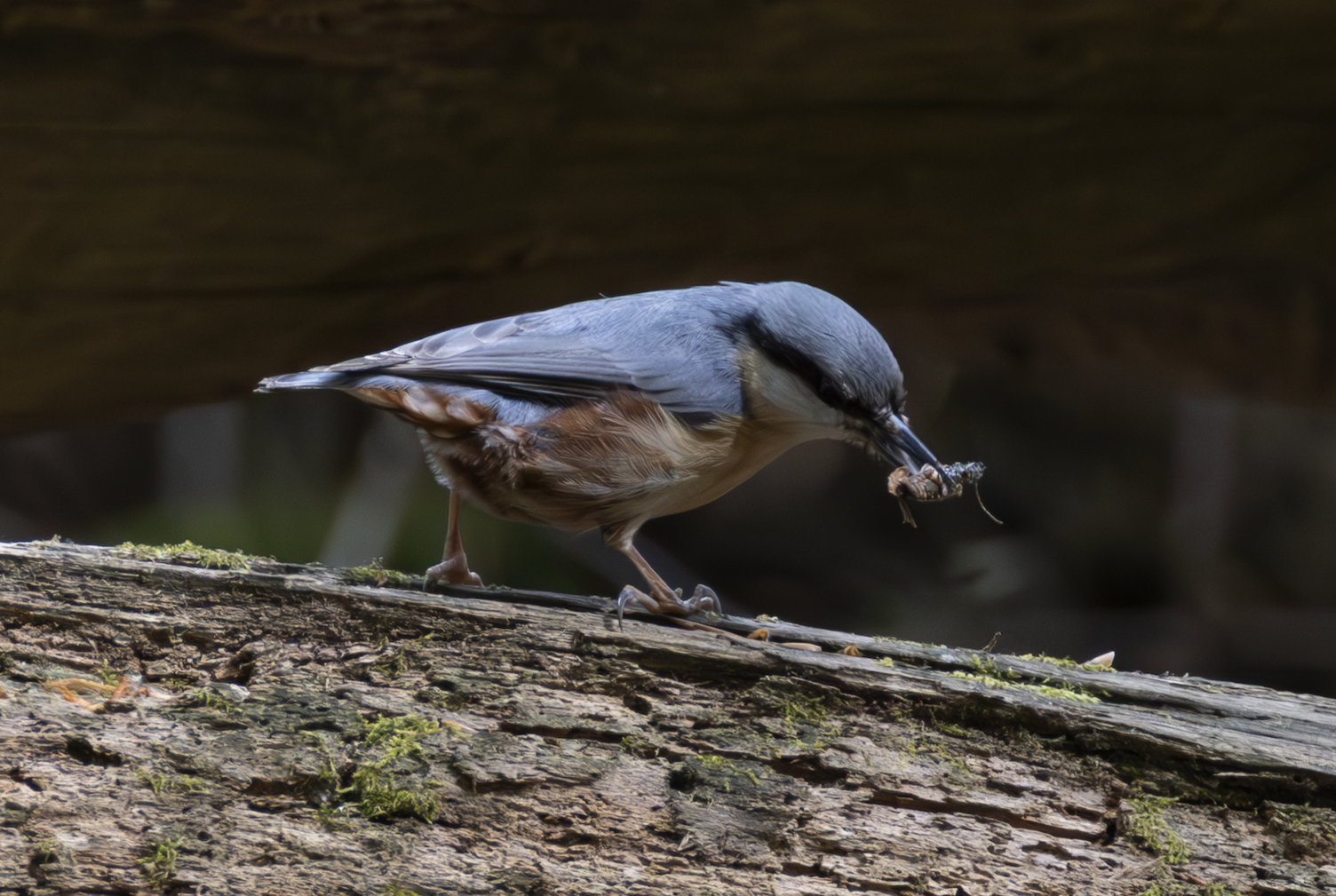
Nuthatch
LCSitta europaea
The Eurasian nuthatch is the only British bird that regularly climbs head-first down tree trunks, with a loud, ringing call.
Ortolan Bunting
LCEmberiza hortulana
The ortolan bunting is a scarce autumn vagrant to UK coastal headlands, declining across its European range.
Osprey
LCPandion haliaetus
The osprey is a large raptor that feeds almost exclusively on fish, diving feet-first into water to catch them.
Oystercatcher
NTHaematopus ostralegus
The Eurasian oystercatcher is a noisy, pied wader of rocky shores and estuaries, its loud piping calls a familiar coastal sound.
Peregrine Falcon
LCFalco peregrinus
The peregrine is the fastest animal in the world in a dive, reaching speeds exceeding 320 km/h.
Phalarope
LCPhalaropus lobatus
The red-necked phalarope breeds in Shetland and Orkney; unusually, the female is brighter and the male incubates the eggs.
Pheasant
LCPhasianus colchicus
The ring-necked pheasant was introduced to Britain from Asia and is now a very common sight across the countryside.
Pied Flycatcher
LCFicedula hypoleuca
The European pied flycatcher is a summer visitor to upland oak woodland in Wales and northern England, readily using nest boxes.
Pied Wagtail
LCMotacilla alba
The pied wagtail is one of Britain's best-known birds, constantly wagging its long tail as it runs over pavements and car parks.
Pine Siskin
LCSpinus pinus
The pine siskin is a North American finch and a very rare vagrant to Britain, occasionally appearing at garden feeders alongside Eurasian siskins.
Pink-footed Goose
LCAnser brachyrhynchus
Over 300,000 pink-footed geese winter in Britain, arriving from Iceland and Greenland in spectacular skeins each autumn.
Pintail
LCAnas acuta
The northern pintail is among the most elegant of ducks, with the male's elongated tail feathers and chestnut head.
Pochard
VUAythya ferina
The common pochard is a diving duck with a chestnut head; large flocks gather on UK reservoirs and lakes in winter.
Pomarine Skua
LCStercorarius pomarinus
The pomarine skua is a passage migrant offshore around UK coasts, larger than the Arctic skua with twisted, spoon-shaped central tail feathers.
Ptarmigan
LCLagopus muta
The rock ptarmigan lives on Scotland's highest mountain plateaux, turning white in winter for camouflage in the snow.
Purple Sandpiper
LCCalidris maritima
The purple sandpiper is a hardy winter visitor to rocky shores around the UK, often seen feeding alongside turnstones.
Quail
LCCoturnix coturnix
The common quail is a scarce and secretive summer visitor to UK farmland, far more often heard — its 'wet-my-lips' call — than seen.
Raven
LCCorvus corax
The common raven is the world's largest passerine bird, once widespread in Britain but now largely restricted to upland areas.
Razorbill
LCAlca torda
The razorbill is a stocky auk that breeds on cliff ledges around Britain, swimming underwater like a torpedo to pursue fish.
Red-backed Shrike
LCLanius collurio
The red-backed shrike was once a common UK breeder but is now only a scarce passage migrant; the male is boldly coloured.
Red-breasted Merganser
LCMergus serrator
The red-breasted merganser is a sleek, fish-eating duck with a spiky crest, breeding on Scottish and Welsh rivers and wintering on coasts.
Red-footed Falcon
NTFalco vespertinus
A scarce but annual spring vagrant to Britain from Eastern Europe, often appearing at coastal headlands after east winds.
Red Grouse
LCLagopus lagopus
The red grouse is a distinctive bird of heather moorland, a subspecies unique to Britain and Ireland.
Red Kite
LCMilvus milvus
The red kite is a medium-large bird of prey, successfully reintroduced to much of the UK after near extinction.
Red-legged Partridge
LCAlectoris rufa
The red-legged partridge was introduced to Britain from southern Europe and is now widespread, often released for shooting.
Red-necked Grebe
LCPodiceps grisegena
A scarce winter visitor to UK coasts and inland reservoirs, the red-necked grebe breeds across northern Europe.
Redshank
LCTringa totanus
The common redshank, the 'sentinel of the marshes', is one of the most vocal and alert of all wading birds, breeding at UK wetlands.
Redstart
LCPhoenicurus phoenicurus
The common redstart is a summer visitor to upland oak woodland in the north and west, the male with a vivid orange-red tail.
Red-throated Diver
LCGavia stellata
Britain's smallest and most numerous diver, breeding on remote Scottish lochs and wintering around all UK coasts.
Redwing
LCTurdus iliacus
The redwing is Britain's smallest true thrush and the first sign of autumn, arriving from Iceland and Scandinavia in large nocturnal flocks.
Reed Bunting
LCEmberiza schoeniclus
The reed bunting breeds at wetlands but has spread to farmland and gardens, the male with a smart black head and white moustache.
Reed Warbler
LCAcrocephalus scirpaceus
The Eurasian reed warbler breeds in reedbeds and is the primary host of the cuckoo in southern England.
Ringed Plover
LCCharadrius hiaticula
The common ringed plover breeds on UK coastal shingle beaches and arctic tundra, wintering on estuaries in large numbers.
Ring Ouzel
LCTurdus torquatus
The ring ouzel is the 'mountain blackbird', breeding on upland moorland and crags in northern Britain and wintering in the Mediterranean.
Robin
LCErithacus rubecula
The European robin is Britain's unofficial national bird, famous for its year-round song and association with Christmas cards.
Rock Pipit
LCAnthus petrosus
The rock pipit is a large, dark pipit of rocky coastlines, skulking among seaweed and boulders around the British coast.
Roller
LCCoracias garrulus
The European roller is a rare vagrant to Britain from southern Europe, brilliant electric-blue with spectacular tumbling display flight.
Rook
LCCorvus frugilegus
The rook is a sociable crow of farmland, nesting in large rookeries in tall trees; its bare white face patch distinguishes it from the carrion crow.
Roseate Tern
LCSterna dougallii
The roseate tern is one of Britain's rarest seabirds, with only a handful of colonies remaining, prized for its pinkish flush and long tail streamers.
Rose-coloured Starling
LCPastor roseus
The rose-coloured or rosy starling is a scarce but annual vagrant to Britain from southern Asia, often seen at berry-bearing bushes.
Rough-legged Buzzard
LCButeo lagopus
The rough-legged buzzard is a scarce winter visitor from Scandinavia, favouring open coastal marshes and farmland.
Ruddy Duck
LCOxyura jamaicensis
The ruddy duck, introduced from North America, has a small resident population in the UK following control programmes to protect the endangered white-headed duck.
Ruff
LCCalidris pugnax
The ruff is famous for the elaborate neck ruffs that males display at leks in spring; a few pairs breed in Britain and many winter here.
Sanderling
LCCalidris alba
The sanderling is a small, fast-running wader that dashes along sandy beaches in pursuit of retreating waves.
Sand Martin
LCRiparia riparia
The sand martin is the first swallow-family migrant to arrive in Britain each spring, nesting in colonies in sandy riverbanks.
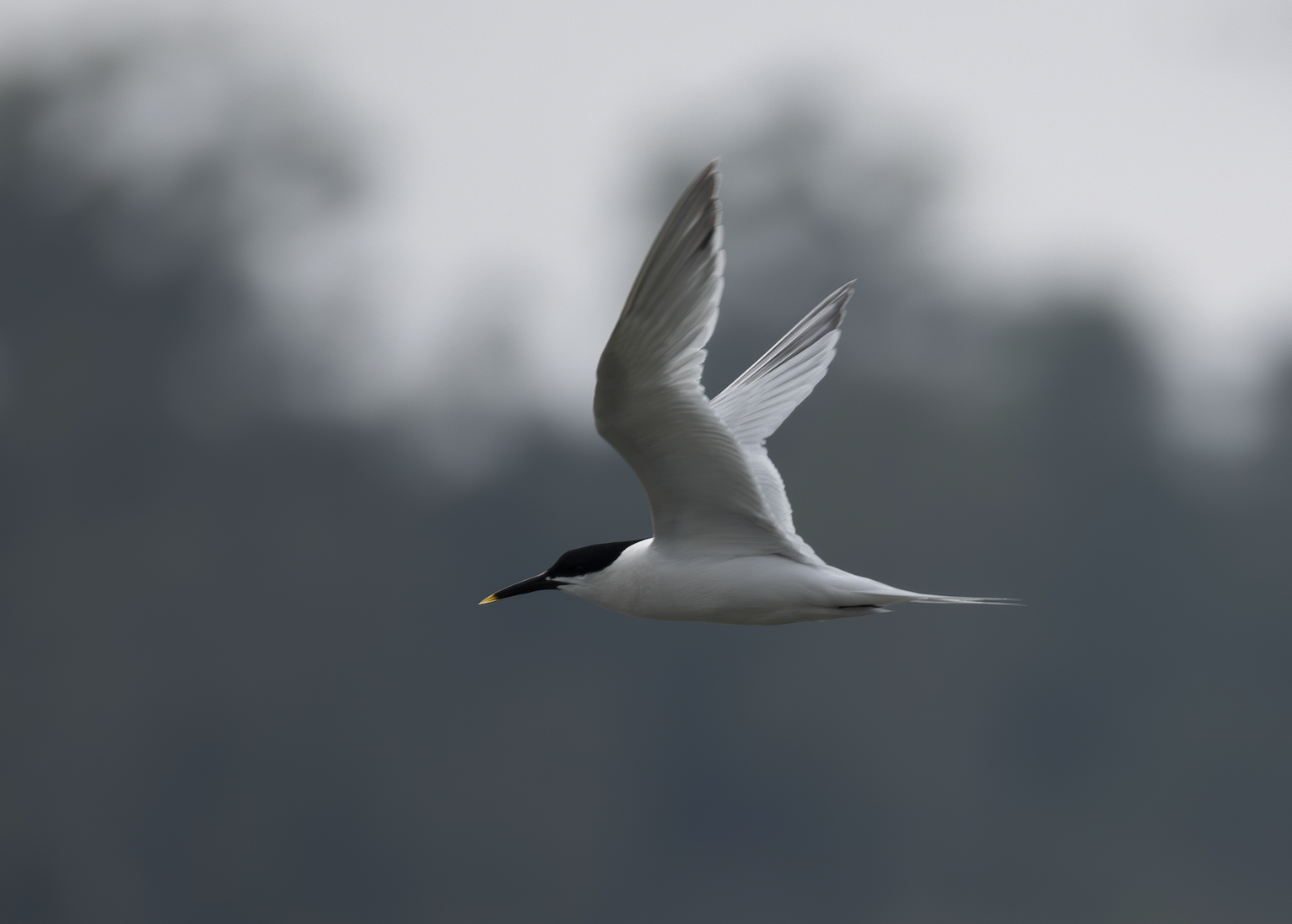
Sandwich Tern
LCThalasseus sandvicensis
The sandwich tern is the largest common tern in Britain, breeding in noisy colonies on sand and shingle beaches.
Scaup
LCAythya marila
The greater scaup is a scarce winter visitor from Iceland and Scandinavia, favouring coastal bays and large inland waters.
Sedge Warbler
LCAcrocephalus schoenobaenus
The sedge warbler is a summer visitor to wetlands, delivering an exuberant churring and mimicking song from waterside vegetation.
Shag
NTGulosus aristotelis
The European shag is a smaller, glossy-green relative of the cormorant, restricted to rocky coasts and rarely seen inland.
Shelduck
LCTadorna tadorna
The common shelduck is a large, boldly patterned duck of UK estuaries and sandy coasts, often nesting in rabbit burrows.
Shore Lark
LCEremophila alpestris
The horned or shore lark is a scarce winter visitor to UK coastal fields and beaches, with striking yellow and black facial markings.
Short-eared Owl
LCAsio flammeus
The short-eared owl hunts in daylight over open moorland and coastal marshes, quartering the ground on long wings.
Shoveler
LCSpatula clypeata
The northern shoveler has an unmistakable spatula-shaped bill used to filter food from water. It breeds and winters at UK wetlands.
Siskin
LCSpinus spinus
The Eurasian siskin is a small, agile finch that breeds in conifer woodland and visits garden feeders in winter in increasing numbers.
Skylark
LCAlauda arvensis
The Eurasian skylark delivers its famous continuous, complex song in sustained hovering flight above farmland, now declining due to agricultural change.
Slavonian Grebe
VUPodiceps auritus
The Slavonian grebe is a rare breeding bird in Scotland and a winter visitor to sheltered coasts, with striking golden ear tufts in breeding plumage.
Snipe
LCGallinago gallinago
The common snipe is a cryptically patterned wading bird of boggy ground, famous for its 'drumming' display and zigzag flight when flushed.
Snow Bunting
LCPlectrophenax nivalis
The snow bunting breeds on Scotland's highest mountaintops and winters on UK coastal beaches, the male with stunning white and black plumage.
Snowy Owl
VUBubo scandiacus
The snowy owl is a rare winter visitor to Scotland's Northern Isles from the Arctic; it bred briefly on Fetlar, Shetland in the 1960s–70s.
Song Thrush
LCTurdus philomelos
The song thrush is famous for its rich, repetitive song and for using a stone as an anvil to smash open snail shells.
Sparrowhawk
LCAccipiter nisus
The Eurasian sparrowhawk is a small, agile woodland hawk that hunts small birds in fast, twisting pursuits through cover.
Spoonbill
LCPlatalea leucorodia
The spoonbill is a distinctive white wading bird with a spatula-shaped bill, now a regular visitor and scarce breeder in southern England.
Spotted Crake
LCPorzana porzana
The spotted crake is a scarce and secretive passage migrant and very rare breeder at UK reedbeds.
Spotted Flycatcher
LCMuscicapa striata
The spotted flycatcher is a late-arriving summer visitor, sallying from a perch to catch insects in the air and returning to the same spot.
Spotted Redshank
LCTringa erythropus
The spotted redshank passes through the UK in spring and autumn; in breeding plumage it is a stunning sooty-black wader.
Starling
LCSturnus vulgaris
The common starling is famous for its murmurations — vast, swirling flocks that create aerial acrobatics over UK roost sites each winter.
Stock Dove
LCColumba oenas
The stock dove is a smaller, more compact relative of the woodpigeon, nesting in tree holes and cliff cavities across rural Britain.
Stonechat
LCSaxicola rubicola
The European stonechat perches on gorse and heather, flicking its wings; both sexes have an alarm call like two stones being knocked together.
Stone Curlew
LCBurhinus oedicnemus
The stone curlew is a mysterious bird of chalk downland and sandy heaths, more active at night and extraordinarily well camouflaged by day.
Storm Petrel
LCHydrobates pelagicus
Europe's smallest seabird, the storm petrel breeds on remote islands around Britain and spends its non-breeding life far out at sea.
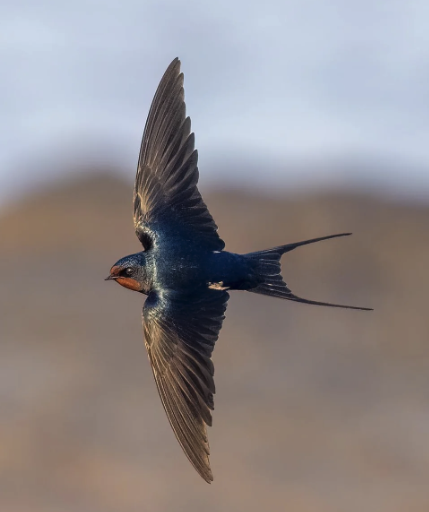
Swallow
LCHirundo rustica
The barn swallow is a migratory bird that arrives in the UK in spring and is one of the most celebrated signs of summer.
Swift
VUApus apus
The common swift is perhaps the most aerial of all birds, spending almost its entire life in the air.
Tawny Owl
LCStrix aluco
The tawny owl is Britain's most common owl, responsible for the classic twit-twoo — actually a combination of two calls from male and female.
Teal
LCAnas crecca
The Eurasian teal is Britain's smallest dabbling duck, breeding on moorland bogs and wintering in huge flocks on estuaries.
Treecreeper
LCCerthia familiaris
The Eurasian treecreeper spirals mouse-like up tree trunks, probing bark crevices with its curved bill for insects.
Tree Pipit
LCAnthus trivialis
The tree pipit is a summer visitor to open woodland and heathland, parachuting down from its song-flight to a tree top.
Tree Sparrow
LCPasser montanus
The Eurasian tree sparrow is a smaller relative of the house sparrow, now scarce in Britain but recovering from major population crashes.
Tufted Duck
LCAythya fuligula
The tufted duck is Britain's most numerous diving duck, with the male's black and white plumage and drooping tuft unmistakeable.
Turnstone
LCArenaria interpres
The ruddy turnstone flips over pebbles and seaweed in search of food on UK rocky shores, a colourful visitor that rarely breeds here.
Turtle Dove
VUStreptopelia turtur
The turtle dove is Britain's fastest declining bird, a summer visitor whose purring song has all but disappeared from the countryside.
Twite
LCLinaria flavirostris
The twite is a moorland finch, breeding in upland Britain and wintering on coastal saltmarshes; it has declined significantly.
Velvet Scoter
VUMelanitta fusca
The velvet scoter is a large seaduck, a scarce winter visitor to UK coasts, usually found mixed in with common scoter flocks.
Water Pipit
LCAnthus spinoletta
The water pipit is a scarce winter visitor to watercress beds and wet fields in southern Britain, breeding in Alpine and southern European mountains.
Water Rail
LCRallus aquaticus
The water rail is a shy reedbed bird, heard far more often than it is seen; its piglet-like squealing call is unmistakeable.
Waxwing
LCBombycilla garrulus
The Bohemian waxwing is an irruptive winter visitor from Scandinavia, arriving in large flocks to strip rowan and berry trees.
Wheatear
LCOenanthe oenanthe
The northern wheatear is one of the first summer migrants to arrive in Britain, bounding across moorland and flashing a white rump.
Whimbrel
LCNumenius phaeopus
The whimbrel is smaller than the curlew with a striped crown; it breeds in Shetland and Orkney and is a common spring and autumn passage bird.
Whinchat
LCSaxicola rubetra
The whinchat is a declining summer visitor to upland grassland and bracken slopes, with a distinctive white supercilium.
White-fronted Goose
LCAnser albifrons
The white-fronted goose is a winter visitor to Britain, with the Greenlandic race favouring western Ireland and Wales.
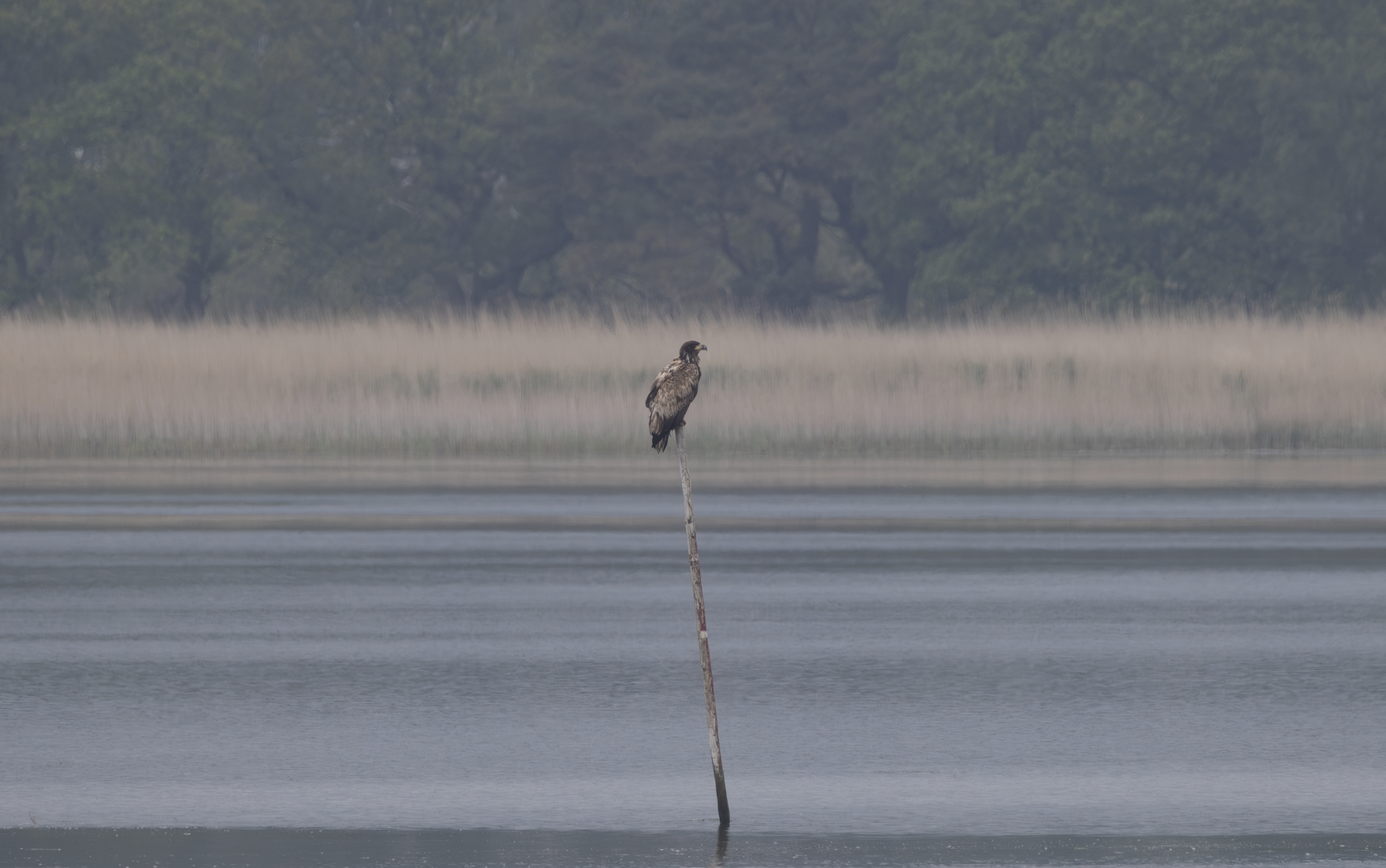
White-tailed Eagle
LCHaliaeetus albicilla
Britain's largest bird of prey with a wingspan up to 2.4 metres, reintroduced to England after 240 years.
Whitethroat
LCCurruca communis
The common whitethroat is a summer visitor to scrubby habitats across Britain, with a scratchy but vigorous song delivered from the top of brambles.
Whooper Swan
LCCygnus cygnus
The whooper swan is a large winter visitor from Iceland to UK wetlands, distinguished by its yellow and black bill.
Wigeon
LCMareca penelope
The Eurasian wigeon is a striking duck; large flocks winter on UK estuaries and coastal grasslands, often feeding at night.
Willow Tit
LCPoecile montanus
The willow tit is very similar to the marsh tit but prefers damper woodland habitats; it is one of Britain's most rapidly declining birds.
Willow Warbler
LCPhylloscopus trochilus
The willow warbler is Britain's most numerous summer migrant, its cascading, melodic song heard in woodland and scrub throughout the country.
Woodcock
LCScolopax rusticola
The Eurasian woodcock is a plump, camouflaged wader of woodland; males perform 'roding' display flights at dusk in spring.
Woodlark
LCLullula arborea
The woodlark is a heathland and woodland-edge lark with a beautiful, liquid, looping song, which breeds in southern England.
Woodpigeon
LCColumba palumbus
The common woodpigeon is the UK's most abundant bird, a large, plump dove of woodlands, farmland and gardens with a cooing call.
Wood Sandpiper
LCTringa glareola
The wood sandpiper is a delicate, graceful wader that passes through the UK in spring and autumn, occasionally breeding in Scotland.
Wood Warbler
LCPhylloscopus sibilatrix
The wood warbler breeds in western oak woods with sparse understorey, producing a shivering trill as it flutters among the canopy.
Wren
LCTroglodytes troglodytes
The Eurasian wren is Britain's most abundant bird species, a tiny yet remarkably loud singer found in virtually every habitat.
Wryneck
LCJynx torquilla
The wryneck is a peculiar relative of woodpeckers, now only a scarce passage migrant in Britain, once a regular breeding bird.
Yellow-browed Warbler
LCPhylloscopus inornatus
The yellow-browed warbler is an increasingly regular autumn vagrant from Siberia, now seen in hundreds at coastal headlands each year.
Yellowhammer
LCEmberiza citrinella
The yellowhammer is a bright-yellow farmland bunting whose song is traditionally remembered as 'a-little-bit-of-bread-and-no-cheese'.
Yellow Wagtail
LCMotacilla flava
The yellow wagtail is a vividly coloured summer visitor to wet meadows and arable fields, declining in Britain as habitats are lost.